




In springtime, Louisville KY, Derby season becomes part of everyday life. But in schools, the way students learn about the Derby changes as they get older. Teachers at Holy Trinity Catholic School shared how they approach the topic in their classrooms and what the Derby means to them personally.
First grade teacher Alice Kervin says younger students are very interested in the Derby because it feels fun and exciting.
“We usually do activities connected to horses, roses, and Louisville traditions,” Kervin explained. “The kids love learning about what makes our city special. At that age, it’s really about community pride and celebrating where we live.”
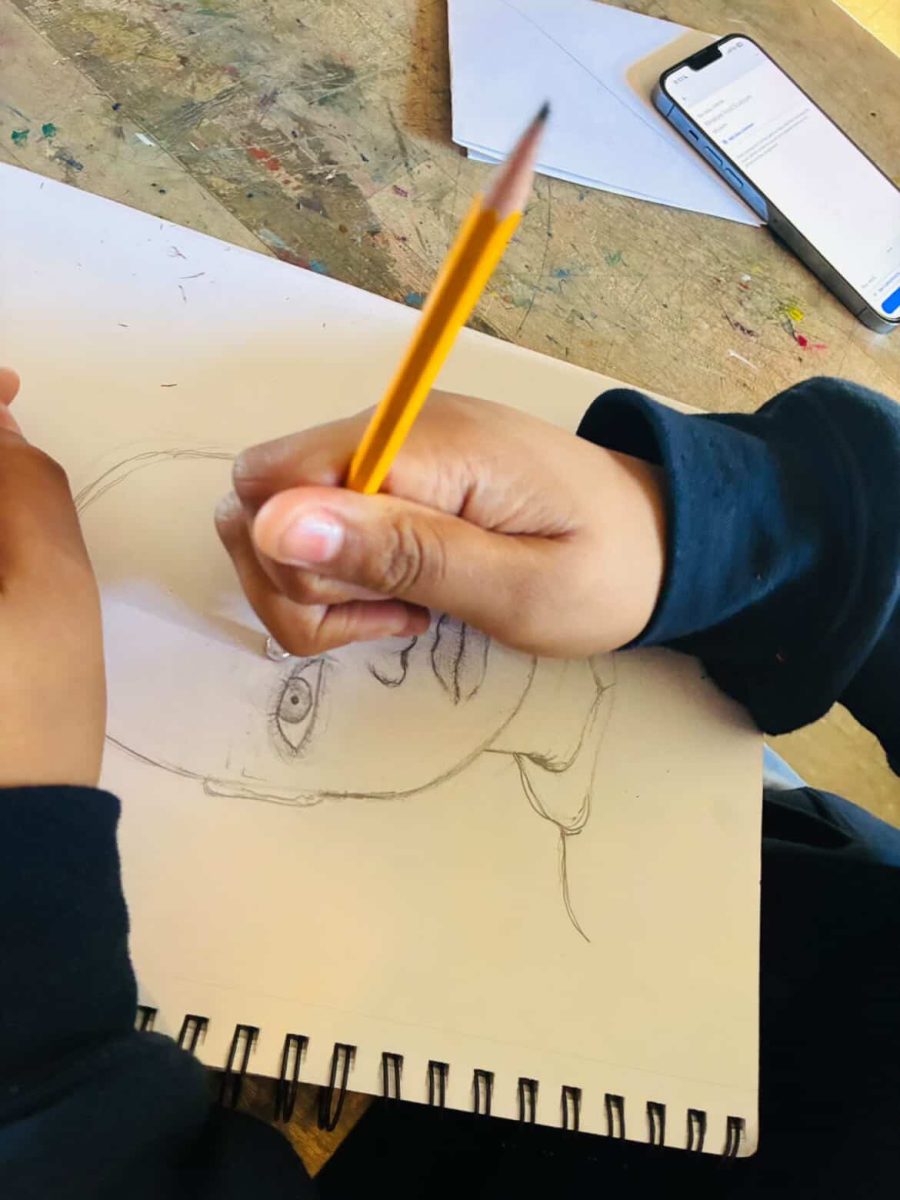
Kervin said her class may read books about horses, create Derby themed art projects, or talk about famous traditions like the mint julep glasses and big hats (in a kid friendly way of course) She believes the Derby helps younger students feel connected to Louisville’s culture.
“I think the Derby is something that brings people together,” she said. “Even if students don’t fully understand the race itself, they understand the excitement around it.”
Seventh grade teacher Emmy Rawlins said that by middle school, Derby lessons become much less common.
“In older grades, we usually focus more on the regular curriculum and less on themed activities,” Rawlins said. “Students still know the Derby is happening because it’s everywhere in Louisville, but we don’t spend as much classroom time on it.”
Rawlins explained that middle school students often discuss the Derby in conversations about local culture or current events instead of doing projects or celebrations.
She added that opinions about the Derby can vary among older students and adults.
“Some people love the tradition and excitement, while others think it has become more about tourism and business than Louisville families,” Rawlins said. “I think both views are understandable.”
Even so, she believes the Derby still plays an important role in the city.
“It’s a huge part of Louisville’s identity,” she said. “Whether people are interested in horse racing or not, Derby week affects the entire city.”
Fifth grade teacher Shannon Becker said upper elementary grades fall somewhere in the middle. Students may still participate in Derby related activities, but with more discussion and history involved, less art and ‘fun’.
“We don’t focus on it as heavily as the younger grades,” Becker explained, “but students are old enough to learn about the history of the Derby and why it became such a major Louisville tradition.”
Becker said she enjoys teaching students about local culture because it helps them understand the city they live in.
“The Derby means tradition to me,” she said. “It’s something generations of Louisville families have experienced together.”
At the same time, Becker acknowledged that not everyone connects with the Derby in the same way.
“Some families are very involved with Derby events, while others mostly see it as traffic and crowds,” she states, “But it’s definitely something that makes Louisville unique.”
The interviews showed a clear difference between grade levels. Younger students at Holy Trinity tend to learn more directly about the Derby through activities and celebrations, while older students focus less on it in class as academic subjects become the priority.
Still, all three teachers agreed that the Kentucky Derby remains an important part of Louisville culture, whether it is taught through art projects in first grade or discussed as a community tradition in middle school.