







As some may know, Backpack defense presentations are coming up for students that are graduating early. Even with this knowledge, many have no clue what they’re doing or what to include in their presentation, but those students are in luck because listed below are various things to do in preparation for the defense.
Don’t Stress
The most simple and important tip to remember is to not stress about it. Most of the time, students will get so nervous about presenting and build up the pressure of their presentation to the point where they can barely focus, but then their presentations go a lot better than they had expected. Try to remember that you can always present again if you need to. Another thing to note is that the presentations typically only last about ten minutes, and the panelists will be people that you know and are comfortable with. If you’re still nervous, try some anxiety reducing habits like deep breathing, the 5-4-3-2-1 technique, and listening to music. You got this!
Practice, Practice, Practice
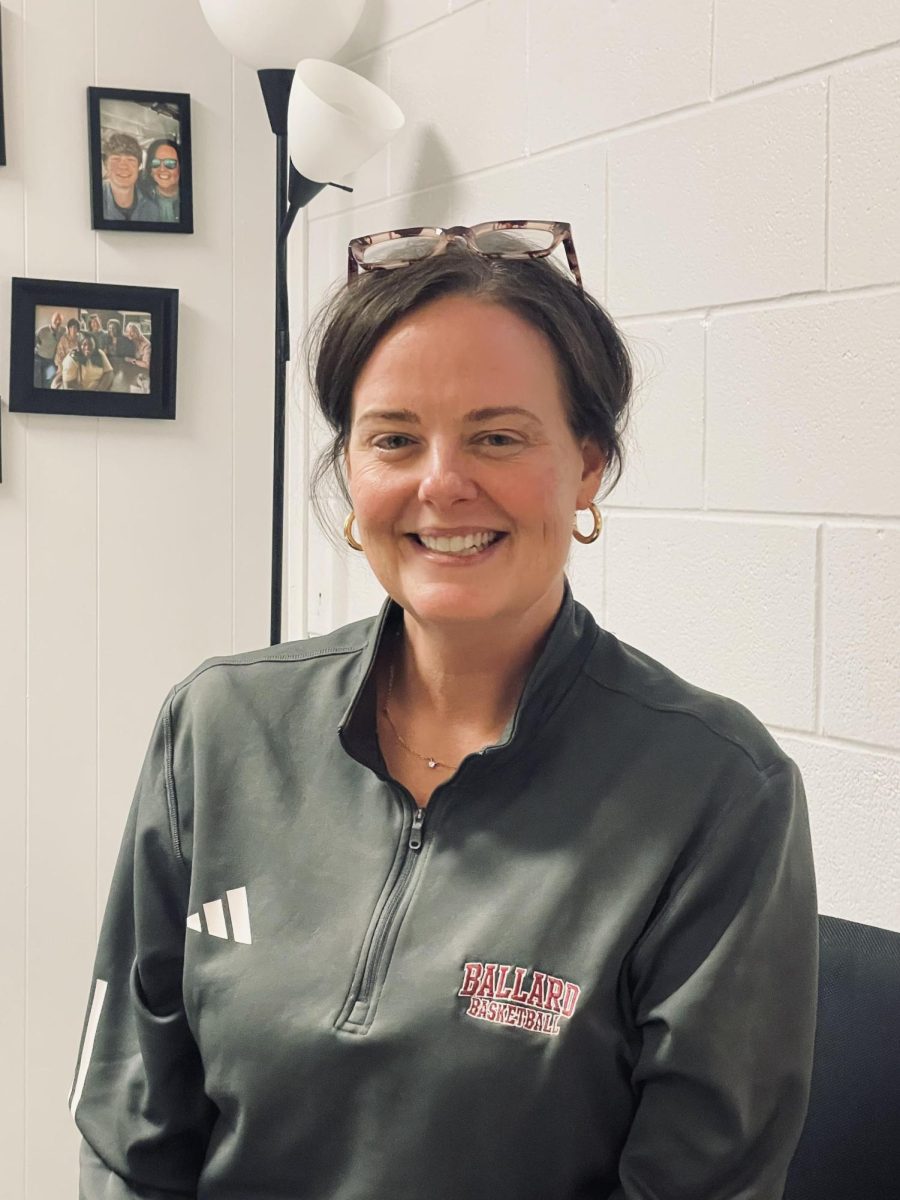
In a recent interview with Ms. Poore, one of Ballard’s many staff members, she heavily suggested that students practice what they’re going to say during their presentation. Sometimes, according to Ms. Poore, students will read the words off of the screen instead of talking to the panelists. This leads to the presentation feeling robotic and boring, rather than conversational and interesting. Another thing she added is that, sometimes, students will add an artifact to their presentation under a certain category (like Prepared and Resilient Learner), but can’t explain why they added that artifact to the category. So make sure you know what you’re going to say during your presentation and how to explain the artifacts you chose, and you’ll be fine!
Prepare Ahead Of Time
In order to truly nail the presentation, you need to start preparing years in advance. Throughout high school, your teachers should be telling you to add things to your backpack to different categories. If you get a lot of artifacts added, you’ll have a lot more to work with when you eventually start making the slideshow and putting it all together. If you’re unsure of what to add to the categories, try asking a counselor, friend, or teacher for help.
Proofread Slides
A very important thing to do when preparing your presentation is to proofread the slides. Whether that be once, twice, or even more, you should always check to make sure there are no mistakes anywhere in the presentation. In fact, you could even get someone else to proofread it! Keep a look out for grammar, punctuation, and capitalization errors to make your slides look more professional and neat.
Use Ballard Resources
During an interview with Ms. Cissell, another member of Ballard staff, she mentioned a link posted in the senior Google Classroom that students could access at any time. That link leads you to a temple of the slides for your presentation and a rubric for the artifacts that go on the slides. This is obvious, but that is extremely helpful for students who are unsure of what their slides should look like and what to include in the presentation. Another resources that Ballard provides is a reflection on the OTUS website for your artifacts. The reflection helps you understand why you put certain artifacts under certain categories, so completing it is very beneficial for you in the long run.
Work With Others
Ms. Poore brought up a great point during her interview; she said that if you work with your friends or even a teacher, you could do a lot better during the editing and preparation process of making your presentation. In Ms. Poore’s words, the people you work with may notice things you hadn’t noticed before. They could point out errors, more artifact ideas, and, most importantly, help you understand certain parts of the defense when you have questions. Plus, it may feel like a stressful and heavy weight being lifted off your shoulders when you work with people you enjoy being around. They’d be able to lighten the mood and allow you to take a deep breath and focus on your presentation. I suggest getting a small study group together and helping each other with your defenses.
Other Notes
A couple more tips for your backpack presentation are to look at previous artifacts to see if you can improve your explanations on why you chose the category/categories for a certain artifact, and you should just have fun with the presentation! You should use the opportunity of presenting to your advantage by letting the panelists get to know you, your interests, and your personality. Think of it this way: you get to show off the work you’re proudest of, the work that was most fun to make, and the group projects you got to do with your friends. Another thing to mention is that both Ms. Cissell and Ms. Poore said that the presentations they have seen so far have gone really well! Ms. Cissell said that she was pleasantly surprised with how well each student connected their artifacts to the categories, while Ms. Poore said she was surprised at the large number of students whose pathway at Ballard lined up with their future career goals. Good luck with your presentations!