



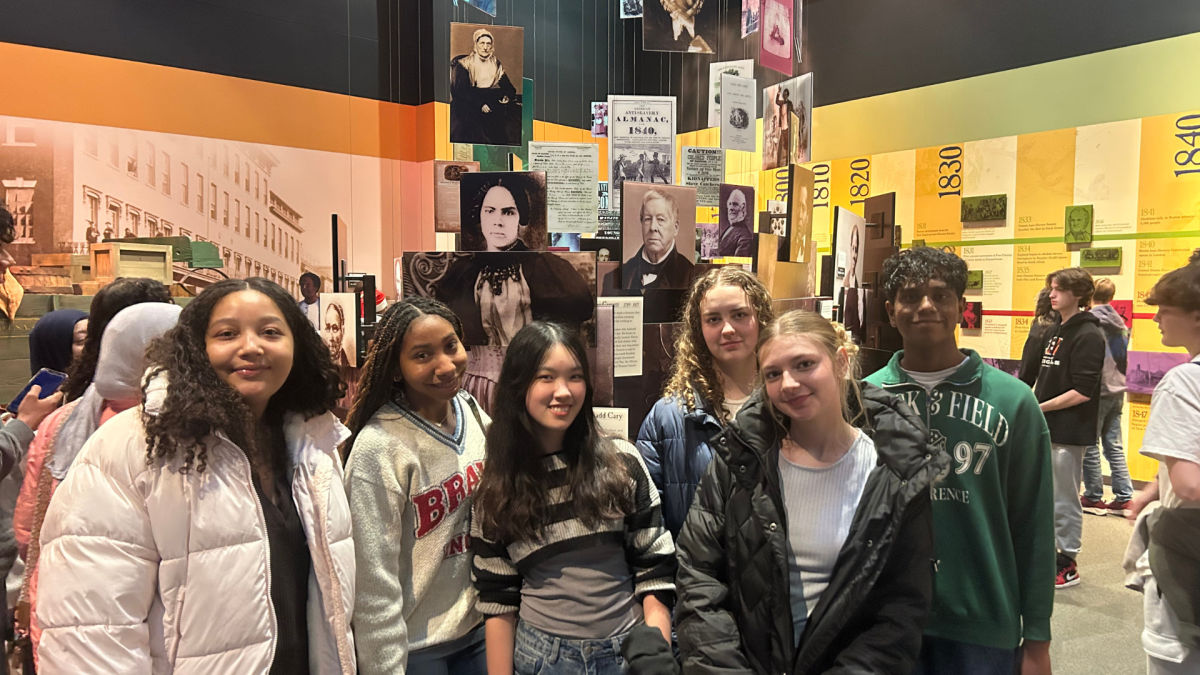
A plane crash on November 4th around 5:15 p.m cut into the hearts and lives of Louisvillians alike. The UPS plane crash created a temporary shelter in place for residents in the Louisville Metro area and stretching to southern Indiana. Toxic fumes of jet fuel stretched across the sky in one big smoky cloud, affecting the air and water quality. Thus JCPS closed school Wednesday, November 5. This was the scheduled day for the annual AP U.S History field trip to the National Underground Railroad Freedom Center, and it was rescheduled to December 10th. Many students were disappointed. “We really need a field trip because students work so hard, and we need a break. It’s also a learning break… It gets students excited to learn, but to also like be free from the shackles of school,” says one junior, Jazmyn Hammond. Are field trips just an excuse for students to skip school? Or are they educationally beneficial?
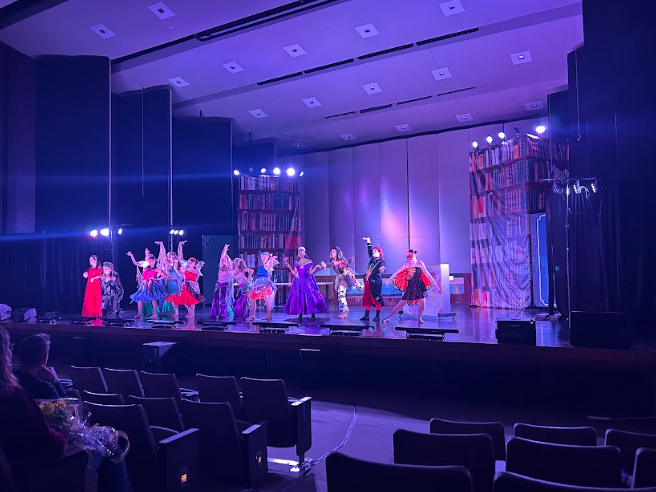
That same week, November 3rd to the 7th, there were 4 other field trips in total. On November 7th, there was a field trip to Indiana State University for the Medical Interventions class, one to University of Kentucky for Photography, and a Theater field trip. That Thursday, there was also a Madrigal field trip. Most field trips at Ballard are linked to the Performing and Visual arts pathway. Rosemary Martinez responds, saying “Yeah, I’m in the Allied Health program, and we have never gone to a single field trip at all.” In contrast, Carson Thompson, a band student, says “If you could count band competitions and stuff, I go to at least two every year.” On a similar note, a Madrigal, Millie Dimshultz, says “I would say Madrigals alone go on about 5-6 field trips each year, “and that’s not counting the after school practices and dinner shows at the beginning of December.
For some students, the APUSH field trip to the Freedom Center is their first out-of-school school based adventure. When asked if more field trips should occur, Jazmyn says “Please I beg…this will be the first actual field trip I’m going on at Ballard.” Mrs. Irvin, a U.S history teacher at Ballard shares the importance of taking students to learn outside of the class room. “I think the most important thing about history is not letting it just, like, live in images in your mind. It, like, realizes it for students,” says Mrs. Irvin. “I really like getting out of the classroom. I think the students do too. We just get into a rut sitting here every day talking about history, right?” She continues. “I think they’re beneficial for students if they apply to what career they’re going to go into,” says Ms. Poynter, a math teacher at Ballard.
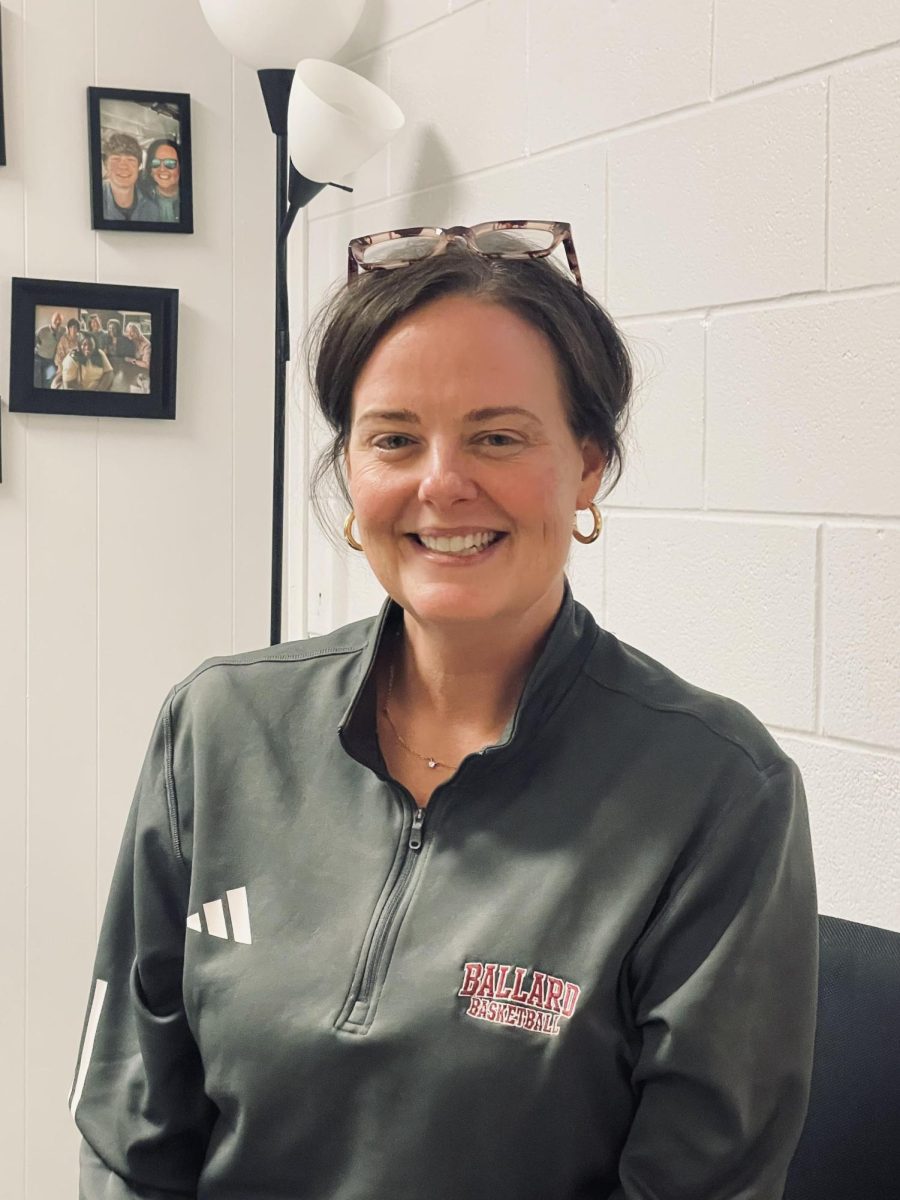
“But it is tough as a teacher of a high rigor subject and you’re trying to get it all in before AP testing… it is a delicate balance,” says Ms. Collins, an administrator at Ballard who coordinates most field trips. A downside to field trips can be the assignments and class time that is missed when being absent. “Keeping continuity and learning is very important in math, and we lose so many days and people are out for this and that…. and it’s just very difficult,” says Ms. Poynter. “I would prefer that they[field trips] be limited to maybe two per teacher,” Ms. Poynter says. “It definitely gets stressful to not only stay on top of music but also school work, especially if you’re an AP student,” says Millie. “However, all of us communicate with our teachers when we are facing difficulties or need a little more time to recover the work,” she continues. Carson Thompson says “If you stay on top of your work, a day shouldn’t hurt you.”
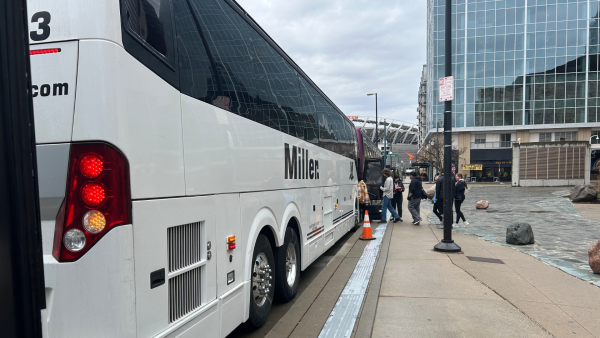
The reason for the apparent lack of field trips comes from several factors. For one, it can be difficult to find the funding. “Because this trip alone is $12,000,” says Ms. Collins. There is also the scheduling component. “And a school the size of Ballard has a lot of other things going on. So it was difficult to find a date that didn’t already have something else major going on,” continues Ms. Collins. The APUSH field trip being moved back was partially for this reason, but the Freedom Center is also not open on Mondays or Tuesdays. “Not only do you have to, like get the money, organize the buses and transportation, you have to do an application process to the board…It has to be done like three months in advance, and you have to explain what educational benefits there are…It’s a big process,” says Mrs. Irvin. Ms. Collins goes on to say “It can be stressful, but I will say the reward is pretty awesome when I see the kids appreciating and learning.” She continues, “They’re going to be change makers. So when I think of our students at Ballard, all levels, these are the people that are going to have a voice in the next level of government, the next level of city leaders, right? And so if I can get them to see things that have gone on in the past, so we don’t repeat, those mistakes, that’s why I’m so passionate about this one.”
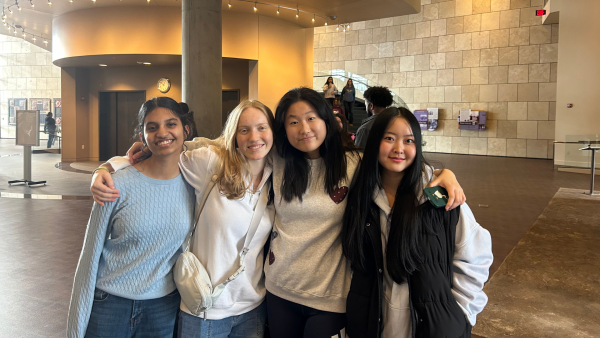
The students that attend the field trip include three groups. Students enrolled in AP U.S History, Dual Credit U.S History, and BSU (Black Student Union). However, Honors U.S History students do not attend this field trip. “I’ll say that I think my honors kids would really benefit from going, because they’re the type of kids that really do need to see history materialized,” says Mrs. Irvin. “I have well behaved honors classes.. But it’s not my call…I think it is an issue that there’s just too many for us to keep track of, too,” she adds. When talking about her AP students, Mrs. Irvin says “I do have a less mature group this year.” The buses might have already been filled, as Ms. Collins says “With BSU, I have, last year they had just honestly asked me if they could kind of tag onto the field trip… if I have the room, which I did…because if I’m going to take six buses, let’s load them up and let’s take off the kids.” With invested students and hard working coordinators like Ms. Collins, Ballard can look forward to more field trips, possibly in the future–if, of course, these excursions do not interfere with school work.